Delhi to Dehradun: The Expressway Route
The new expressway has halved this drive. Which route to take, why Dehradun works better as a base than a stop, and what to see in the Doon valley.
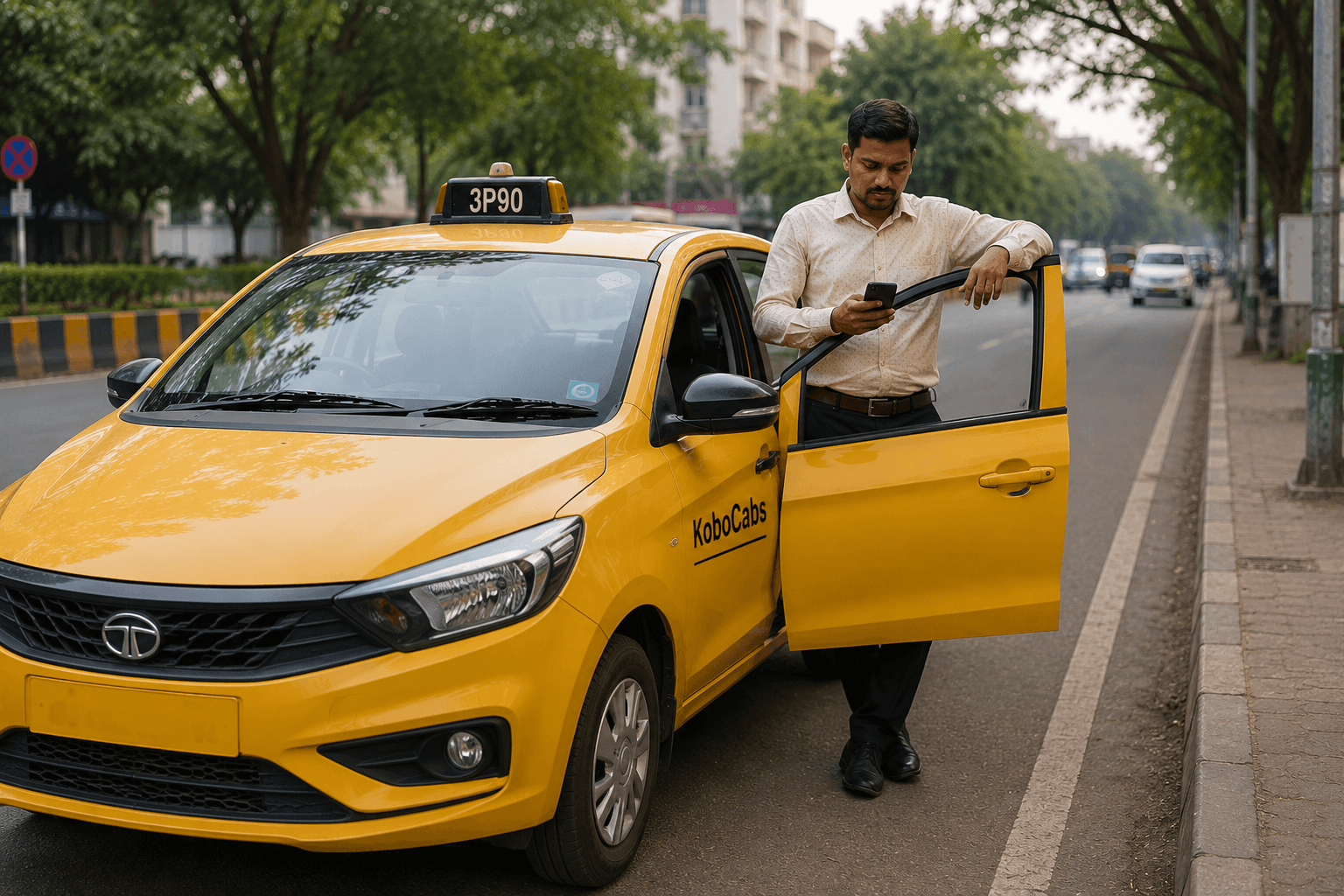
Delhi to Dehradun is a route that has genuinely changed. The old drive along NH-58 through Meerut, Muzaffarnagar, Roorkee and Haridwar ran 250 km and took six to seven hours, most of it in town traffic. The Delhi–Dehradun Expressway, running from Akshardham through Baghpat and Saharanpur, has cut that to roughly three hours on the completed sections — including a 12 km elevated stretch over the Rajaji forest belt built so the road does not cut the wildlife corridor.
Which route to take, and when
Take the expressway if speed is the point and you are heading straight to Dehradun or Mussoorie. Take the old NH-58 if Haridwar or Rishikesh is on the itinerary anyway — the detour is free that way, and Cheetal Grand at Khatauli is still the most reliable breakfast stop on the corridor. Ask your operator which sections of the expressway are open on your travel date; the project has been commissioned in phases, and a route that was partly under construction one month is fully open the next.
Dehradun as a base, not a stop
Most people treat Dehradun as a place they pass through on the way to Mussoorie, which is 35 km and an hour further up. It works better as a base. Rishikesh is 45 km away, Haridwar 55 km, and Jolly Grant airport sits between them. From a Dehradun hotel you can do Mussoorie one day and Rishikesh the next without repacking, usually at half the room rate of either.
What to see in the Doon valley
The Forest Research Institute campus is the surprise — a vast colonial building in red brick set in gardens, and the single most photographed structure in the city. Robber's Cave, locally Guchhupani, is a stream running through a narrow limestone gorge that you walk up through ankle-deep water. Mindrolling Monastery at Clement Town has one of the largest stupas in the world and a 35 m Buddha statue, and Tapkeshwar temple sits in a cave with water dripping onto the lingam. Paltan Bazaar handles the shopping.
Dehradun is comfortable most of the year, which is its advantage over the hill stations above it — February to June and September to November are the pick, and even the monsoon is manageable since the expressway does not take landslides the way the Mussoorie road does. A sedan is enough for the valley itself; add an SUV if Mussoorie or Chakrata is in the plan. YantraCabs runs Delhi–Dehradun as a one-way drop and as a multi-day round trip covering the Mussoorie and Rishikesh legs.